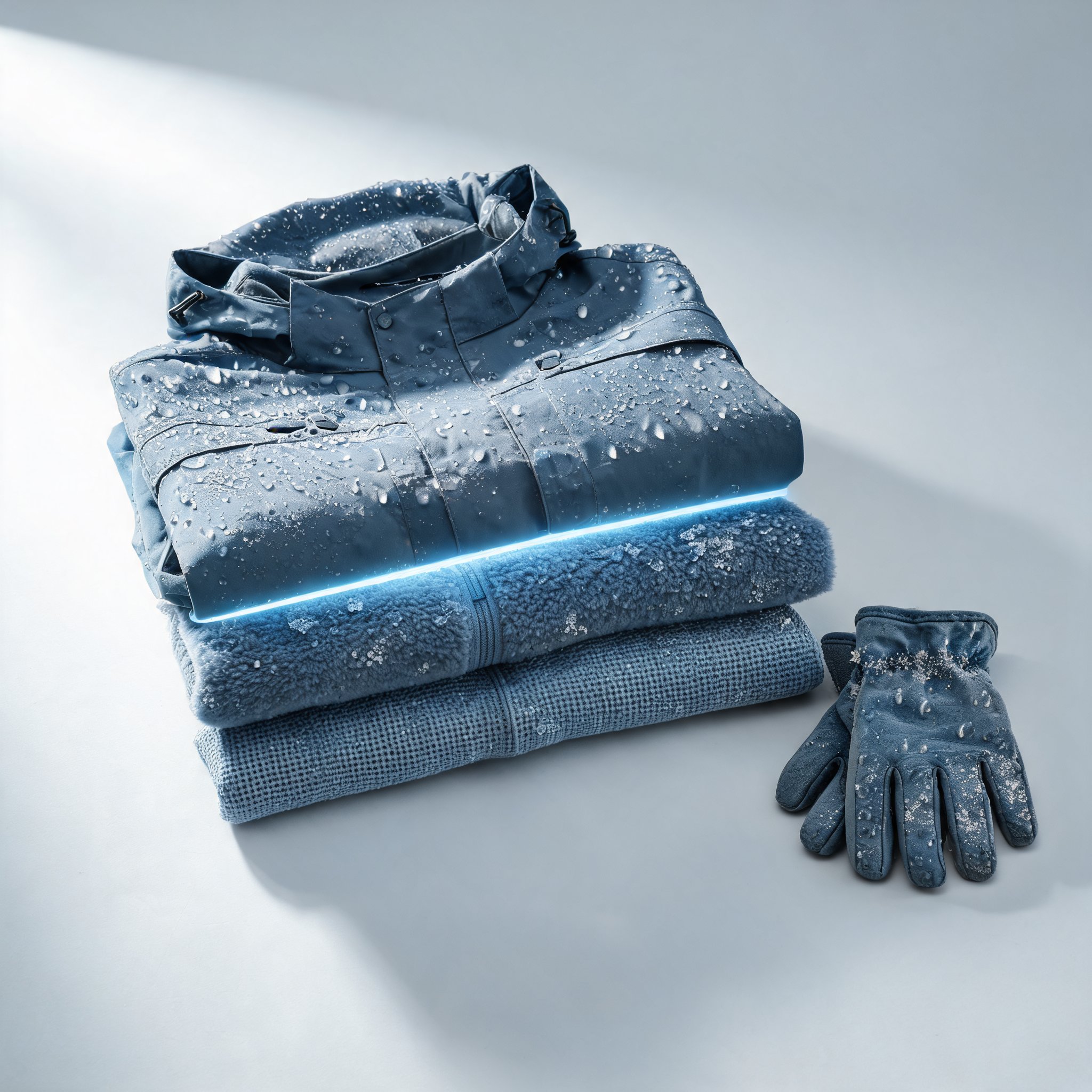
Winter assignments carried out in the open increase risks for employees when personal protective equipment (PPE) is selected or combined incorrectly. The workwear supplier CWS Workwear International GmbH, based in Dreieich, addresses this in a current guide and identifies five typical protection gaps that can open up during cold-weather outdoor work.
According to the guidance, shorter days, wetness and frost change the hazard situation at many outdoor workplaces. Often, however, the PPE in use is not adapted to these altered conditions. CWS Workwear locates the central problems less in individual garments than in the way the separate clothing layers are brought together.
The company notes that individual pieces of clothing may each be certified, yet the combination as actually worn can still fail to meet the requirements of the relevant standards. Certification of single items therefore does not on its own ensure that the assembled clothing system delivers the level of protection the norms set out. It is this mismatch between approved components and the finished combination that the guide highlights.
On that basis, the five protection gaps are presented as typical patterns to be avoided in winter PPE and are tied to how clothing layers are chosen and matched for outdoor duties. The emphasis falls on the combined system rather than on isolated components, and the guide is framed as practical advice for equipping staff who work outside in the cold season.